
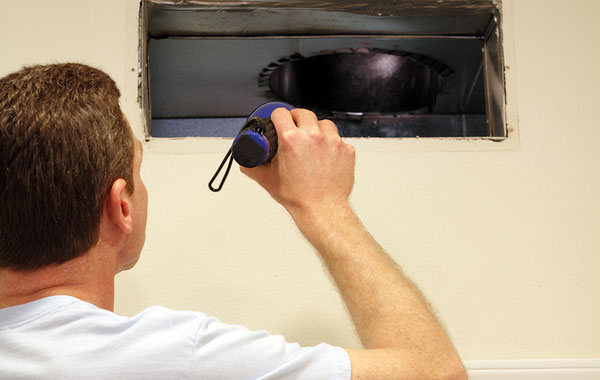
Should you or shouldn’t you? Make a recommendation for duct cleaning, that is. The EPA has a strong opinion about cleaner air through cleaner ducts, but it might not be what you think.
It seems like a logical enough project and simple one, too. So why don’t more people opt-in for ductwork cleaning? Chances are it’s because cleaning is expensive and there’s no evidence that it keeps homes healthier except in special circumstances.
Ductwork Cleaning Can be Simple or Technical
Duct cleaning companies have popped up all across the country. They promote the industry with promises of cleaner air, healthier homes and some claim a longer HVAC system lifespan. How do they back up those claims?
Some companies vacuum out the ducts and other HVAC components. If there’s any loose debris, this process should pick it up. But other companies offer a dissing array of services.
- Deep system vacuuming
- Cleaning drip pans and other components
- Applying antimicrobial treatments
- Coating the inside of ducts in some cases to seal in contaminants that can’t be removed
- Sealing duct leaks to prevent more debris from entering the system
The cost for duct cleaning can range between a few hundred dollars to over a thousand, says the EPA. What remains to be seen is whether or not the effort and expense are worth it.
_600x.jpg)
Ordinary cleaning done by the homeowner is enough to keep the dust down in most homes.
The EPA Says Most Homes Probably Don’t Need It
According to government research, duct cleaning isn’t really proven to do anything for a home that doesn’t have a serious contamination problem. There’s no concrete evidence to back up any of the claims, or so they say.
“Duct cleaning has never been shown to actually prevent health problems.” That’s a direct quote.
Their reasoning is this: just because dust and debris are in the ducts doesn’t mean the will come out into the home. Oftentimes, it stays put. More likely contaminant culprits, they say, come from outdoors, from cooking, through chemical use indoors and other problems such as materials off-gassing.
But for Homes That Do, it’s a Lifesaver
With all that said, ductwork cleaning has its place. If there’s mold growth inside the ducts, cleaning is a smart and healthy idea. A higher than normal amount of dust and debris is another reason homeowners should make that call. If ductwork runs through the basement and there has been flooding at some point, the ducts might contain old, dried mud that needs removing.
Pests can also contaminate indoor air by contaminating the ductwork. It’s more difficult for raccoons, mice or other pests to tear into a rigid metal duct system, but some systems are flexible and easy to rip. And every system has joints and seams where the network of tubes is more vulnerable. If pests have access to the ducts, indoor air might contain any number of hazardous particles.
Another possible reason to opt for duct cleaning is severe allergies. The small amount of dust that’s normally inside the ductwork might never bother a non-allergy sufferer. But it could make life miserable for people sensitive to dust.
Most of the homes that you inspect will probably have some dust inside the ductwork. And in most cases, dust won’t be a serious problem. Mold and pest debris are something different, but it’s challenging for a home inspector to find enough proof to support a recommendation.
The safest route is to inform customers about the condition of the ductwork and let them make their own choices. Recommendations put some of the responsibility for results onto the inspector. Unless contamination is undeniable and a serious health threat, it’s better to inform and leave it at that.
Your home inspection reports give customers power. That’s what knowledge is. The better the report, the more useful it can be. That’s why we developed Report Form Pro, which is one of the most convenient, versatile home inspection reporting apps on the market. Download the app for Android or get it for iPhone today.